Building Resilience Through Mindfulness: Techniques for Anxiety Relief
NE
Understanding Resilience and Mindfulness
In today's fast-paced world, building resilience is more important than ever. Resilience is the ability to adapt and bounce back from adversity. Mindfulness, the practice of being present and fully engaged in the moment, offers powerful techniques to enhance resilience and alleviate anxiety.
Mindfulness encourages a focus on the here and now, helping to reduce stress by minimizing the constant worry about future events. By incorporating mindfulness practices into your daily routine, you can strengthen your emotional resilience and improve your overall well-being.
Mindful Breathing Techniques
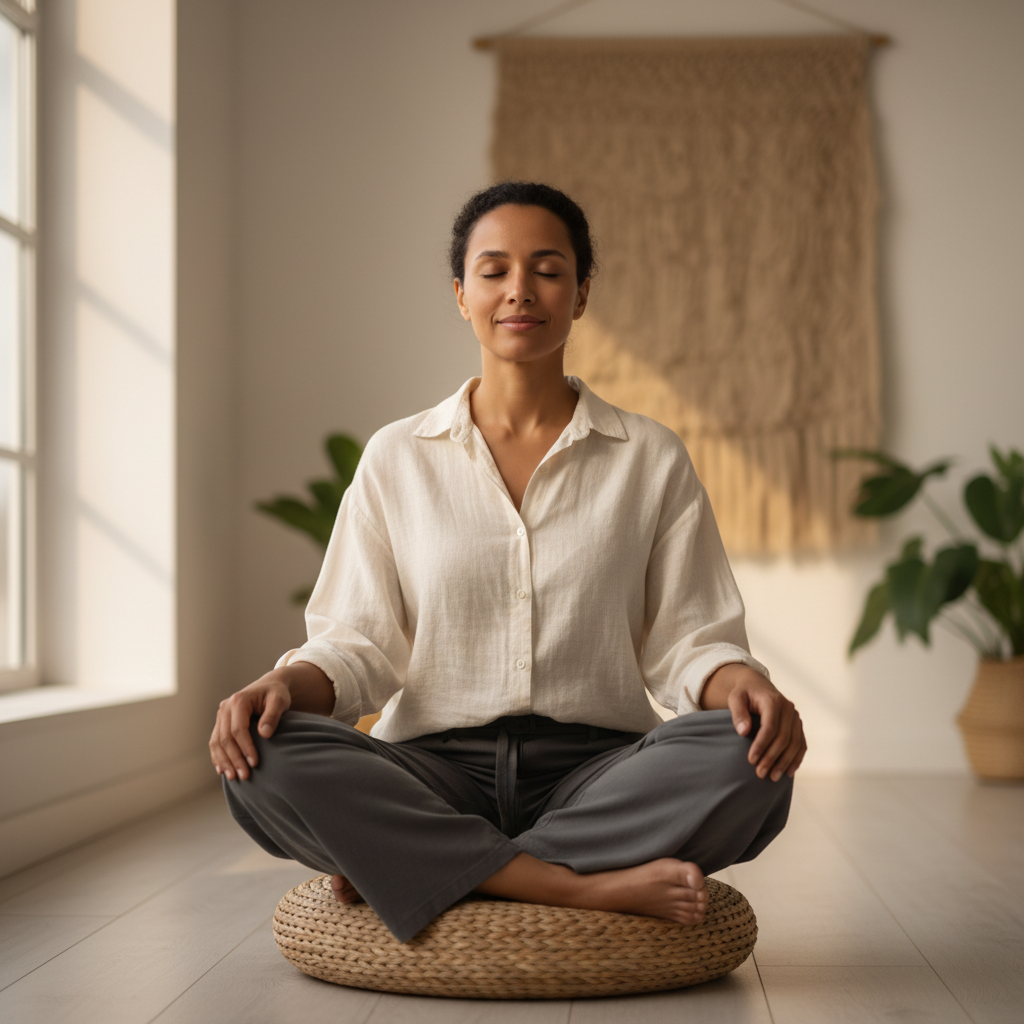
One of the simplest and most effective mindfulness techniques is mindful breathing. This involves focusing your attention on your breath, observing each inhale and exhale without judgment. Mindful breathing can quickly calm the mind and reduce anxiety levels.
To practice mindful breathing, find a quiet place to sit comfortably. Close your eyes and take a deep breath in through your nose, filling your lungs. Slowly exhale through your mouth. Repeat this process, concentrating solely on your breathing. This technique helps center your thoughts and brings a sense of peace.
Benefits of Regular Practice
Engaging in mindful breathing regularly can lead to significant benefits, including improved concentration, reduced stress, and enhanced emotional regulation. These benefits contribute to a more resilient mindset, enabling you to handle life's challenges more effectively.

Body Scan Meditation for Anxiety Relief
The body scan meditation is another effective mindfulness technique for building resilience. This practice involves mentally scanning your body from head to toe, noticing any sensations without trying to change them. It's a powerful way to connect with your physical self and release tension.
To perform a body scan, lie down in a comfortable position and close your eyes. Begin by focusing on your toes, gradually moving your attention up through your body. Acknowledge any areas of tension, and breathe into those areas to encourage relaxation.
Developing a Routine
Incorporating body scan meditation into your routine can help reduce anxiety and promote a sense of calm. Consistency is key; even a few minutes daily can make a significant difference in your resilience and mental health.
Mindful Journaling for Emotional Clarity
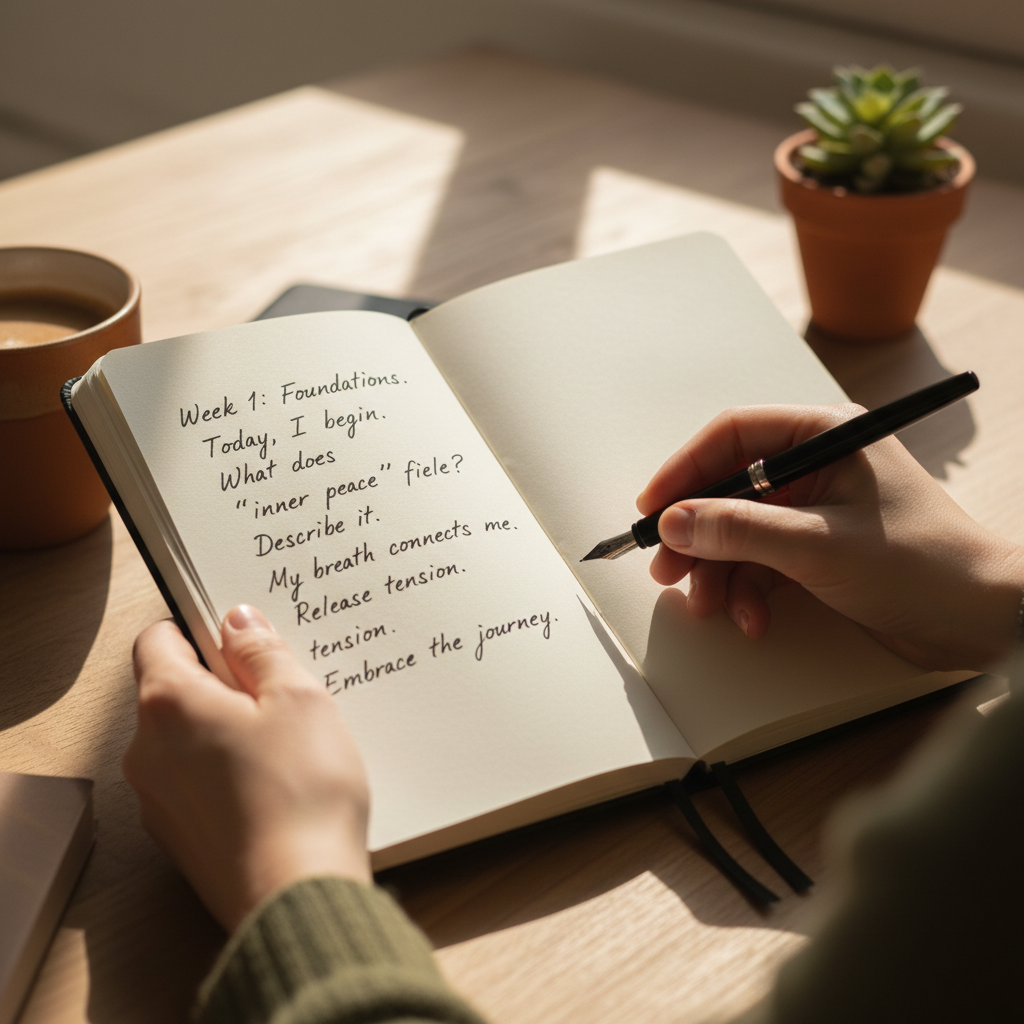
Mindful journaling is a reflective practice that allows you to explore your thoughts and feelings without judgment. By writing down your experiences and emotions, you can gain clarity and perspective, which is essential for building resilience.
Set aside time each day to write freely about your thoughts and experiences. Focus on expressing your feelings honestly and without self-censorship. This practice can help you process emotions and develop a deeper understanding of yourself.
Creating a Safe Space
Your journal is a safe space to explore your inner world. Over time, mindful journaling can uncover patterns in your thinking and behavior, allowing you to address anxiety triggers and build emotional resilience.
Conclusion: Integrating Mindfulness into Daily Life
Building resilience through mindfulness is a journey that requires practice and patience. By incorporating techniques like mindful breathing, body scan meditation, and mindful journaling into your daily life, you can enhance your ability to cope with stress and anxiety.
Remember, the key to success is consistency. By dedicating time each day to mindfulness practices, you'll cultivate a resilient mindset that supports your mental and emotional well-being.