Creating a Warm and Affirming Therapy Environment for LGBTQ+ Clients
NE
Understanding the Importance of an Inclusive Environment
Creating a warm and affirming therapy environment for LGBTQ+ clients is crucial for their emotional well-being and personal growth. A supportive space allows clients to explore their identities, experiences, and challenges without fear of judgment or discrimination. Therapists must understand this importance and strive to make their practices inclusive.

Training and Education
One of the first steps in creating a supportive environment is ensuring that therapists and staff are well-trained in LGBTQ+ issues. This includes understanding terminology, the unique challenges faced by the community, and being aware of one's own biases. Continuous education and training can significantly enhance the therapeutic alliance.
Using Inclusive Language
Language plays a powerful role in making clients feel comfortable and valued. Therapists should use inclusive language, respecting clients' preferred names and pronouns. This small but significant gesture demonstrates respect and validation of their identity.
Creating a Welcoming Physical Space
The physical environment of the therapy space should reflect inclusivity. Displaying symbols such as pride flags or inclusive signage can signal to clients that the space is safe and welcoming. Thoughtful decor can make a significant difference in the comfort level of clients.

Confidentiality and Privacy
Maintaining confidentiality and privacy is essential in any therapeutic setting, but it holds particular importance for LGBTQ+ clients. Ensuring that all communications and records are handled with the utmost care helps build trust and security, encouraging clients to open up about their experiences.
Building a Trusting Relationship
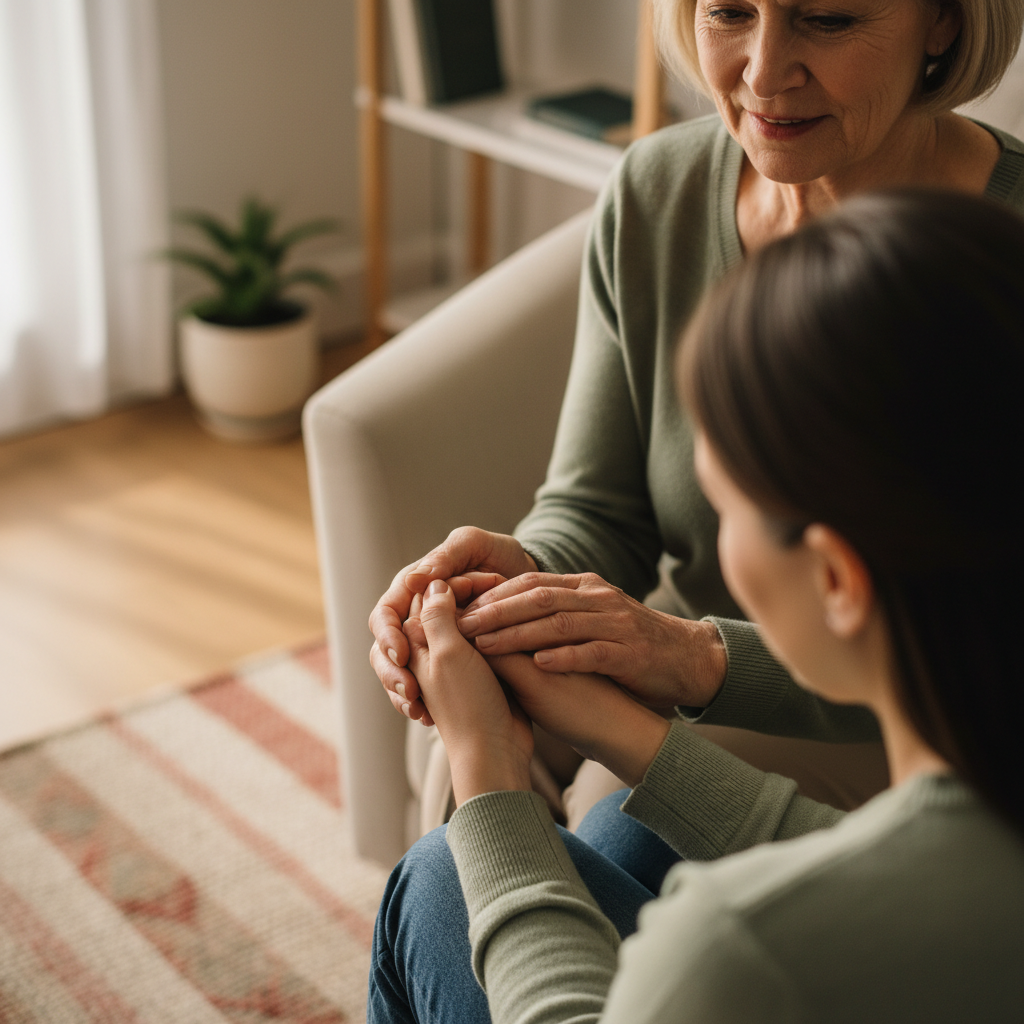
Trust is the foundation of any therapeutic relationship. Therapists should actively listen, show empathy, and validate the client's experiences. Building trust involves being genuine and demonstrating a commitment to supporting the client's journey.
Encouraging Community and Support
Therapists can enhance their practice by connecting clients with LGBTQ+ support groups or community resources. Encouraging participation in such communities can provide additional layers of support and connection, reinforcing the therapy work.
Creating a warm and affirming environment for LGBTQ+ clients is a continuous process that involves dedication, education, and empathy. By implementing these strategies, therapists can significantly impact their clients' well-being and foster a supportive space for healing and growth.