How Therapy Helps Manage Anxiety: A Comprehensive Guide
NE
Understanding Anxiety
Anxiety is a common mental health issue that affects millions of people worldwide. It manifests as feelings of worry, fear, or tension and can significantly impact daily life. Recognizing the symptoms is the first step in managing this condition effectively.
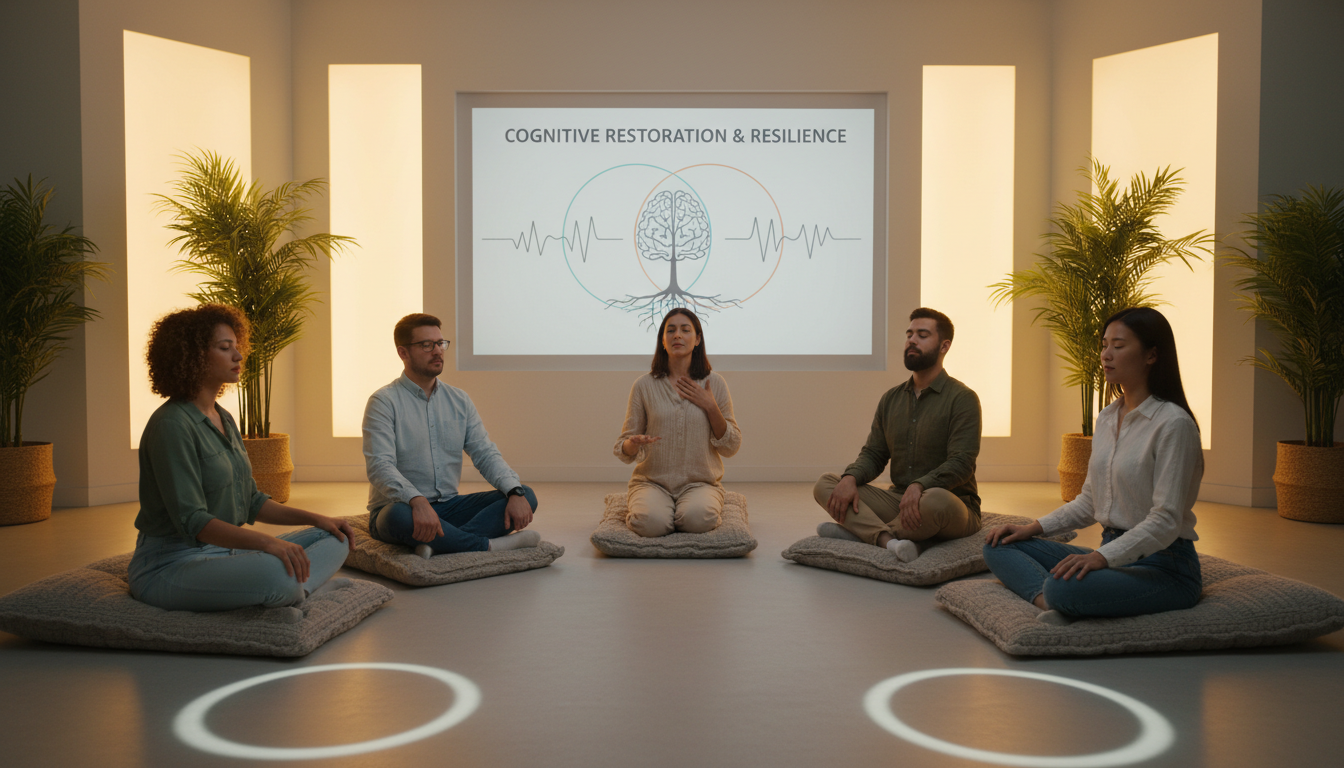
While occasional anxiety is normal, persistent anxiety can become overwhelming. This is where therapy can play a crucial role in providing the tools and techniques needed to manage symptoms effectively.
Types of Therapy for Anxiety
Cognitive Behavioral Therapy (CBT)
Cognitive Behavioral Therapy, or CBT, is one of the most effective treatments for anxiety. It focuses on identifying and changing negative thought patterns and behaviors. CBT helps individuals challenge their fears and develop healthier ways of thinking.
Exposure Therapy
Exposure therapy is a form of CBT that involves gradual exposure to the source of anxiety. This method helps people become less sensitive to anxiety triggers over time, reducing the intensity of their reactions.

The Benefits of Therapy
Therapy provides a safe space for individuals to explore their feelings and understand the root causes of their anxiety. A therapist can offer personalized strategies to manage and reduce symptoms.
Here are some benefits of therapy for anxiety:
- Improved Coping Skills: Therapy equips individuals with practical tools to handle anxiety in everyday situations.
- Emotional Support: Therapists provide a non-judgmental environment, offering support and encouragement.
- Increased Self-Awareness: Understanding personal triggers and responses can lead to better management of anxiety.
Finding the Right Therapist
Choosing the right therapist is crucial for effective treatment. It's essential to find someone who understands your specific needs and with whom you feel comfortable. Here are some tips to consider:
- Research different types of therapy and decide which might be best for you.
- Seek recommendations from trusted sources, such as friends or healthcare providers.
- Consider the therapist's experience, credentials, and approach.

Conclusion
Managing anxiety is a journey, and therapy can be a powerful ally in this process. By providing strategies, support, and understanding, therapy helps individuals regain control over their lives and reduces the impact of anxiety. If you or someone you know is struggling with anxiety, consider reaching out to a professional for support.