Overcoming Anxiety and Depression with Mindfulness Techniques
NE
Understanding Anxiety and Depression
Anxiety and depression are two of the most common mental health issues affecting individuals worldwide. They can manifest in various ways, from persistent sadness and hopelessness to overwhelming worry and fear. Understanding these conditions is the first step toward addressing them effectively.
The Power of Mindfulness
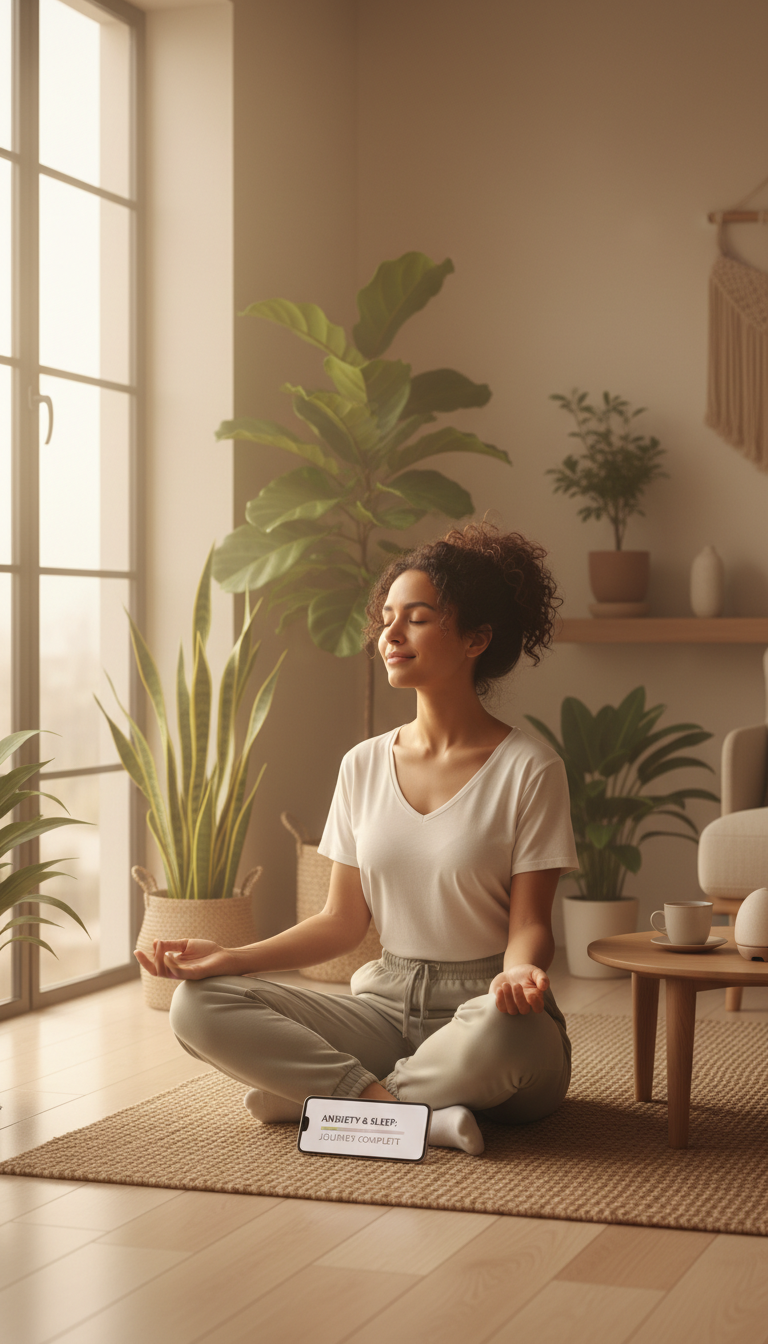
Mindfulness is a practice that involves staying present and fully engaging with the current moment. It has been shown to be an effective way to manage and reduce symptoms of anxiety and depression. By focusing on the present, individuals can break free from the cycle of negative thoughts that often accompany these conditions.
How Mindfulness Works
Mindfulness works by encouraging individuals to observe their thoughts and feelings without judgment. This awareness allows for a better understanding of one's mental state and helps in developing a more compassionate relationship with oneself.
Basic Mindfulness Techniques
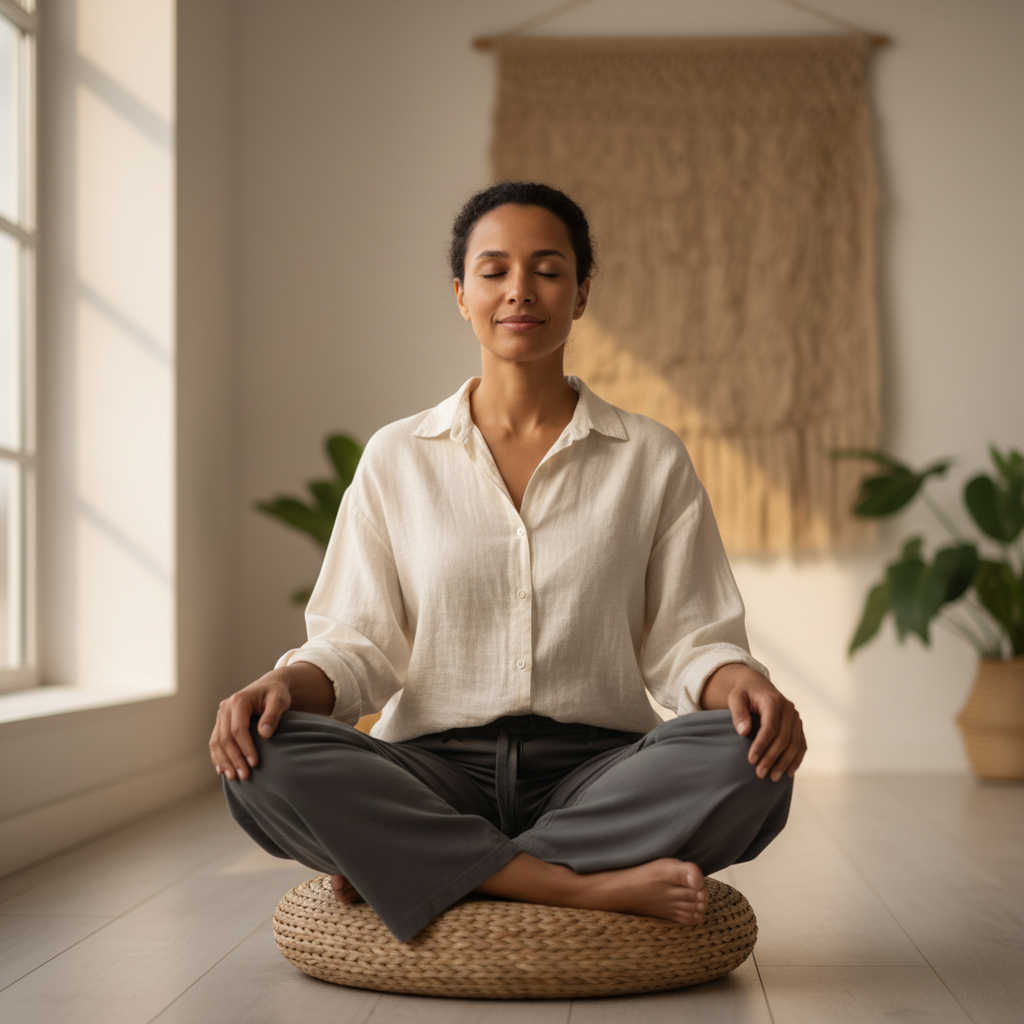
There are several mindfulness techniques that can be incorporated into daily life to help manage anxiety and depression:
- Breathing Exercises: Focus on your breath as it flows in and out of your body.
- Body Scan: Pay attention to different parts of your body, noticing any sensations or tension.
- Guided Meditation: Use audio guides to help maintain focus and relaxation.
Creating a Mindful Routine
Incorporating mindfulness into your daily routine can be simple and effective. Start with short sessions, gradually increasing the time as you become more comfortable. Consider setting aside specific times each day for mindful practices.
Benefits of Mindfulness for Mental Health
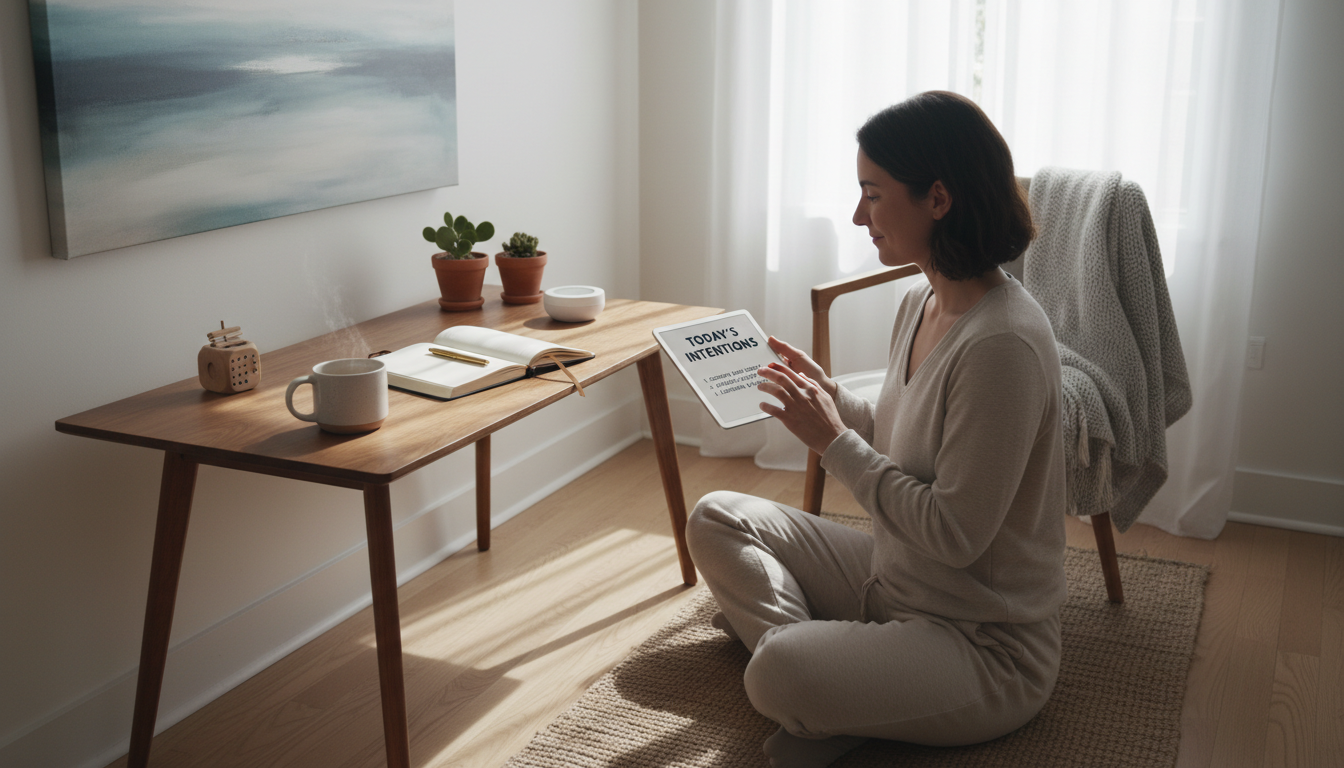
The benefits of mindfulness extend beyond immediate stress relief. Over time, individuals often experience a greater sense of well-being and improved mental clarity. Research has shown that regular mindfulness practice can lead to reduced symptoms of anxiety and depression, increased emotional regulation, and enhanced overall quality of life.
Mindfulness and Self-Compassion
Practicing mindfulness can also foster self-compassion, an important component of mental health. It encourages individuals to treat themselves with kindness and understanding, reducing the harsh self-criticism that often accompanies anxiety and depression.
Getting Started with Mindfulness
If you're new to mindfulness, consider starting with guided sessions available through apps or online platforms. These resources can provide structure and support as you begin your journey toward improved mental health.

To conclude, integrating mindfulness techniques into your daily life can be a powerful tool in overcoming anxiety and depression. With consistent practice, you can develop a healthier, more balanced relationship with your thoughts and emotions, paving the way for a brighter future.